
Why Is Water Pooling in My Yard After It Rains? Common Causes in Skagit County
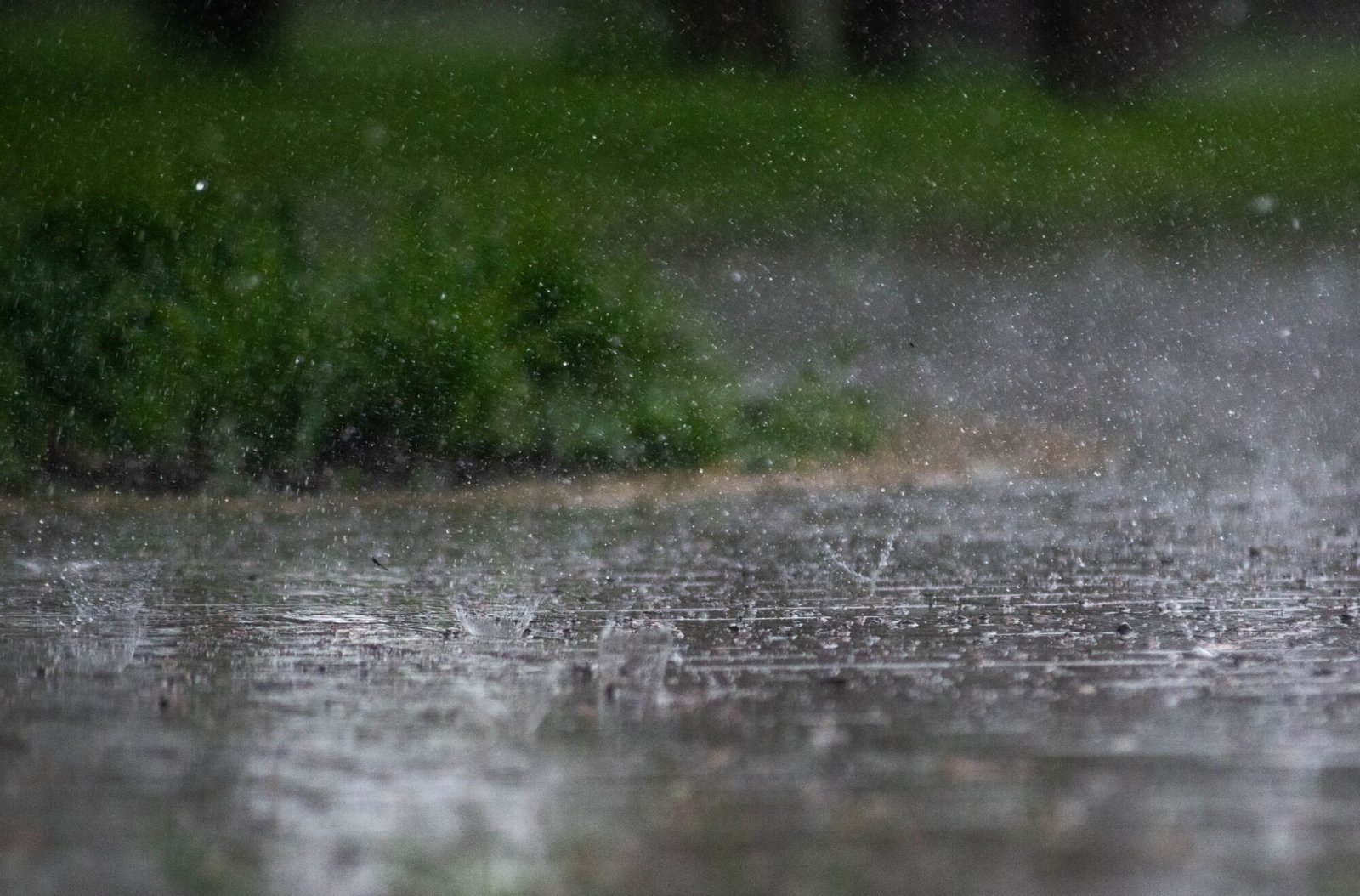
If you’ve noticed puddles lingering in your yard for days after a Skagit County rainstorm, you’re not imagining it, and you’re definitely not alone. Between the Skagit Valley’s flat terrain, clay-heavy soil, and our long, wet fall and winter stretches, standing water is one of the most common issues homeowners deal with from Mount Vernon to Burlington to Sedro-Woolley.
The good news is that pooling water almost always has an identifiable cause, and in most cases, a fixable one. Here’s what’s usually behind it and what actually helps.
Quick Answer: Standing water in a Skagit County yard is usually caused by compacted or clay-heavy soil, poor grading that directs water toward the house instead of away from it, or a low spot with nowhere for water to drain
In the Skagit Valley’s flat, low-lying terrain, these issues are especially common. Fixes range from regrading the yard to installing a French drain or a retaining wall with built-in drainage, depending on the cause. Get a free drainage assessment →
What’s Behind The Standing Water
1. Compacted or Clay-Heavy Soil
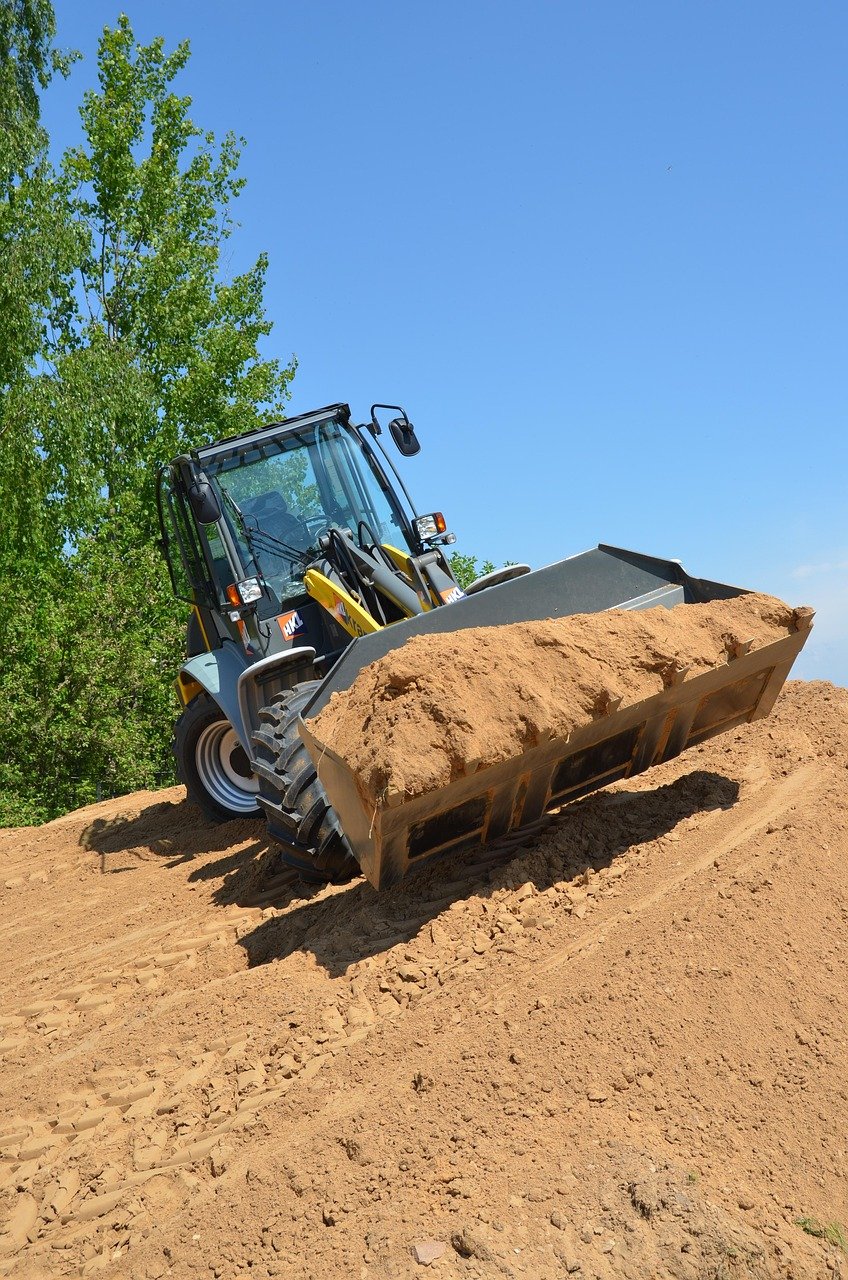
A lot of the Skagit Valley sits on dense, clay-rich soil that doesn’t absorb water well. Add in soil that’s been compacted over the years by foot traffic, construction, or heavy equipment, and rain has nowhere to go but sit on the surface.
2. Poor Yard Grading
If your yard slopes toward your house, a fence line, or a low corner instead of away from it, water will naturally collect there after every rain. This is one of the most common issues we see on properties throughout Mount Vernon and Burlington, especially on older lots where grading was never properly established.
3. Low Spots and Depressions
Even a well-graded yard can have one low area, sometimes just a few inches lower than the surrounding ground, where water consistently pools. Over time, these spots tend to get worse as saturated soil settles further.
4. Flat, Low-Lying Terrain
Much of the Skagit Valley, particularly areas near Mount Vernon and along the Skagit River, sits on naturally flat, low-elevation ground. Flat land simply doesn’t drain as efficiently as sloped land, so water is more prone to sitting rather than running off.
5. Blocked or Missing Drainage Systems
Some yards do have a drainage system in place, whether that’s a French drain, a swale, or simply a path for water to reach the street or a ditch, but it’s become blocked by sediment, roots, or debris over time and stopped functioning.
6. No Drainage System At All
Many yards were never built with a way to move water off the property — it’s relying entirely on soil absorption, which fails fast in a real Pacific Northwest storm. Older homes built before modern drainage requirements are especially likely to be missing any system altogether.
Mount Vernon, Burlington, Sedro-Woolley, or Anacortes: Not Quite the Same Problem
Closer to Mount Vernon and Burlington, on the flatter valley floor, pooling is usually tied to a high seasonal water table and dense clay soil — the ground simply can’t absorb water fast enough, and there’s no slope to help move it along. Homes nearer the river see the added effect of groundwater sitting closer to the surface during wetter months.
Out toward Sedro-Woolley, where the valley starts giving way to forested foothills, the terrain isn’t as flat, so pooling is more likely tied to runoff collecting at the base of a slope than to a high water table. In Anacortes, the coastal, rockier soil on Fidalgo Island generally drains better, but low spots and grading around bluffs or near the water can still trap runoff exactly where you don’t want it.
When to Get a Drainage Assessment
If you’re seeing any of the following, it’s worth getting your yard looked at:
Not sure what’s causing the pooling in your yard? Get a free on-site drainage assessment from our Skagit County team — we’ll walk your property, identify the actual cause, and recommend the right fix, whether that’s a French drain, a catch basin, regrading, or a retaining wall.
What Actually Fixes Yard Drainage Problems
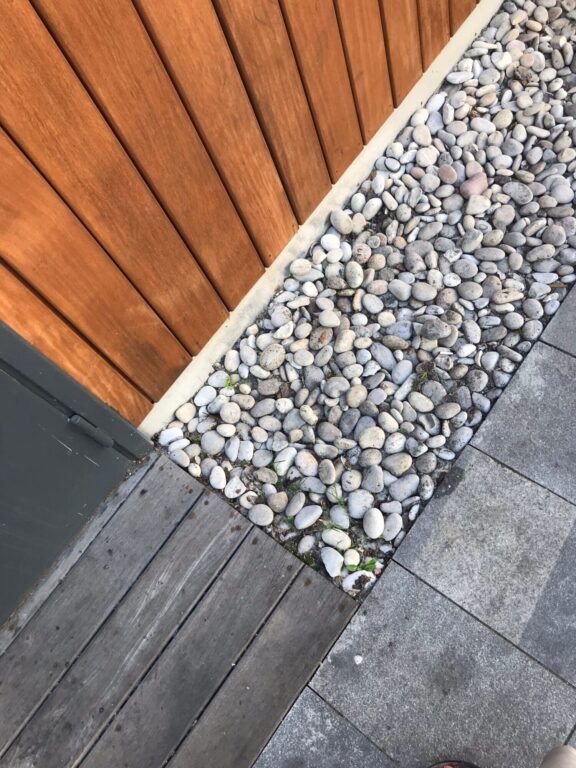
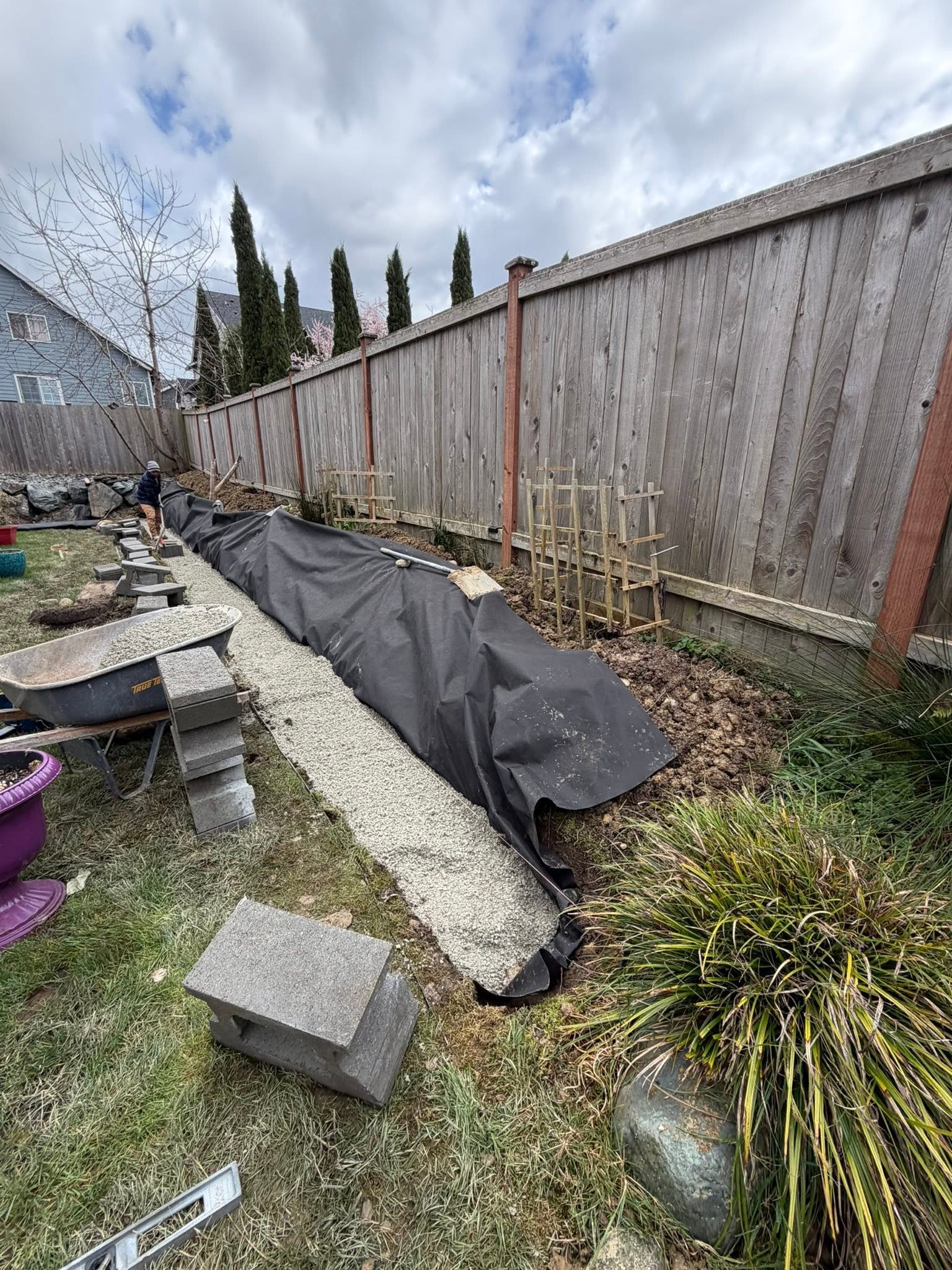
A perforated pipe buried in gravel — pulls water below the surface and carries it to a safer discharge point instead of letting it sit and saturate the yard. The most effective fix for standing water, since it’s designed to intercept water before it pools and redirect it away from the problem area entirely. This works particularly well for low spots, compacted soil, and areas where water consistently collects along a fence line or foundation.
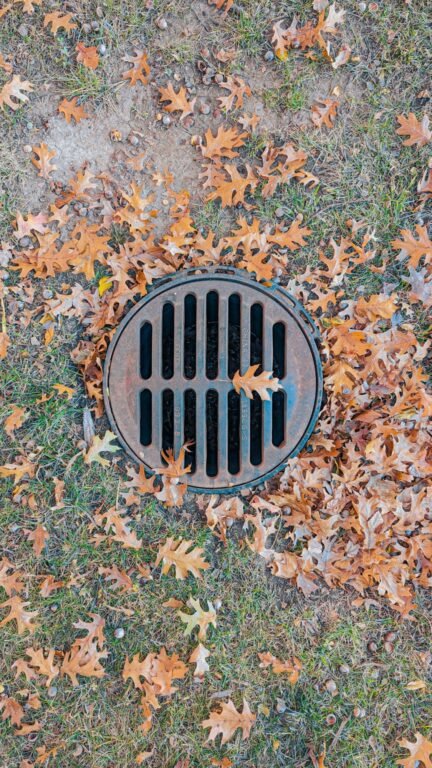
Acts as a collection point for surface water in the lowest part of the yard, capturing it before it can pool and channeling it into an underground pipe or a discharge point away from the house or lawn. Catch basins are often paired with a French drain system, so water is collected at the trouble spot and then routed the rest of the way through the drain line
Regrading
When the issue is the slope of the yard itself, regrading reshapes the ground so water flows away from the house and toward a spot where it can drain naturally, rather than fighting the yard’s existing slope.
A Retaining Wall With A Built-in Drainage System
On sloped properties, a retaining wall built with a proper drainage system behind it can stop water from pooling at the base of a slope. which is a common issue on properties throughout the Skagit Valley with any grade change.
Rock Walls
Similar to retaining walls, rock walls can be built with drainage in mind to manage water flow on a property while also addressing erosion in problem areas.
A Dry Creek Bed
A dry creek bed a shallow, rock-filled trench designed to look like a natural stream while channeling rainwater and preventing yard erosion.
A lot of the time, the most effective fix is actually a combination of two of these, for example, regrading a low spot and adding a French drain to carry the water the rest of the way. That’s why an on-site assessment matters more than guessing based on symptoms alone.
Frequently Asked Questions
How Do I Know If My Skagit County Property Is In A Flood-prone Area?
Many low-lying parcels near the Skagit River fall within mapped flood zones. Your county assessor’s site or FEMA’s flood map tool can confirm your parcel’s status, which also affects what drainage solutions make the most sense.
Will A Retaining Wall Work If I Have A High Water Table?
Yes, as long as it’s built with proper drainage behind it. Gravel backfill and drain tile give rising groundwater somewhere to go instead of building pressure against the wall, which is essential on Skagit County’s wetter, low-lying lots.
Can A Catch Basin or Dry Creek Bed Be Added To An Existing Yard?
Yes, both can usually be added without redoing your whole landscape. A catch basin ties into the yard’s low point and connects to a drain line, while a dry creek bed reroutes surface runoff along the ground — we’ll recommend whichever fits your yard’s grading and existing landscaping.
Do You Install French Drains In Skagit County?
Yes — French drains are one of the drainage fixes we install, often paired with regrading or a retaining wall depending on what’s actually driving the water on your property.
Stop the Standing Water Before It Gets Worse
We’ll assess whether your pooling is coming from soil, grading, or a high water table — and give you a straight answer on the right fix. We work throughout Mount Vernon and Burlington. Contact us for a free drainage assessment
Or text/Call Us at