Types of Soil for Grading and Planting in Skagit County
10-9-2026 – bROWNSTONE l&h LLC
Types of Soil for Grading and Planting in Skagit County
The soil used for grading and the soil used for planting are two different materials, and using one for the other’s job is the most common soil mistake we see. Grading needs soil that compacts and holds its shape. Planting needs soil that stays loose, drains, and feeds roots.
Skagit County makes this more interesting than most places. A yard on the valley floor near Burlington can sit on some of the richest farm soil in the country, while a yard a few miles away on a hillside sits on glacial hardpan that barely lets water through.
At Brownstone L&H we grade yards and install lawns, plants, and hardscapes across Skagit County. This guide covers the native soils you are likely to have, which soil materials to bring in for grading and for planting, and how to tell what is in your yard.
Native soils in Skagit County
Most yards in the county sit on one of five soil types. Which one you have depends mostly on whether you are on the valley floor or the uplands.
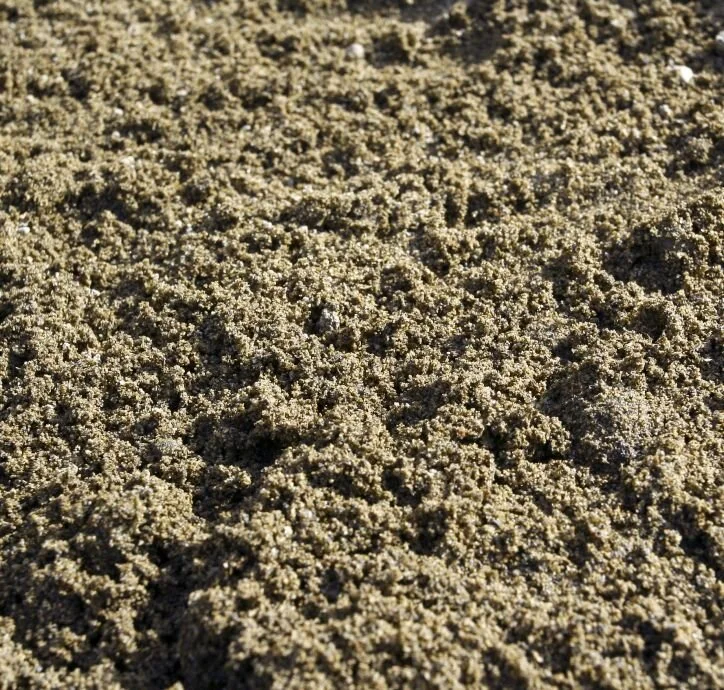
Valley silt loam
Where: The Skagit River delta and floodplain, including much of Mount Vernon, Burlington, La Conner, and Conway.
How it behaves: Fine, dark, and very fertile. It grows almost anything. The water table is high in winter, so it stays wet for months and compacts easily under equipment when saturated.
What it means for your yard: Excellent for planting. Grading needs attention to surface drainage because water has nowhere to go on flat ground.
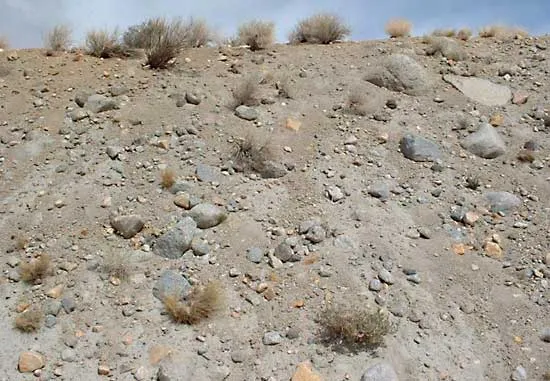
Glacial till and hardpan
Where: Hills and uplands, including the higher parts of Mount Vernon, Sedro-Woolley, Big Lake, and much of Anacortes and Fidalgo Island.
How it behaves: A layer of gravelly loam, often only 1 to 3 feet deep, over dense compacted till that works like concrete. Water soaks through the top layer, hits the hardpan, and moves sideways.
What it means for your yard: Very stable for patios, walls, and grading. Hard on plants, since roots stay shallow and the soil is soggy in winter and dry in summer.
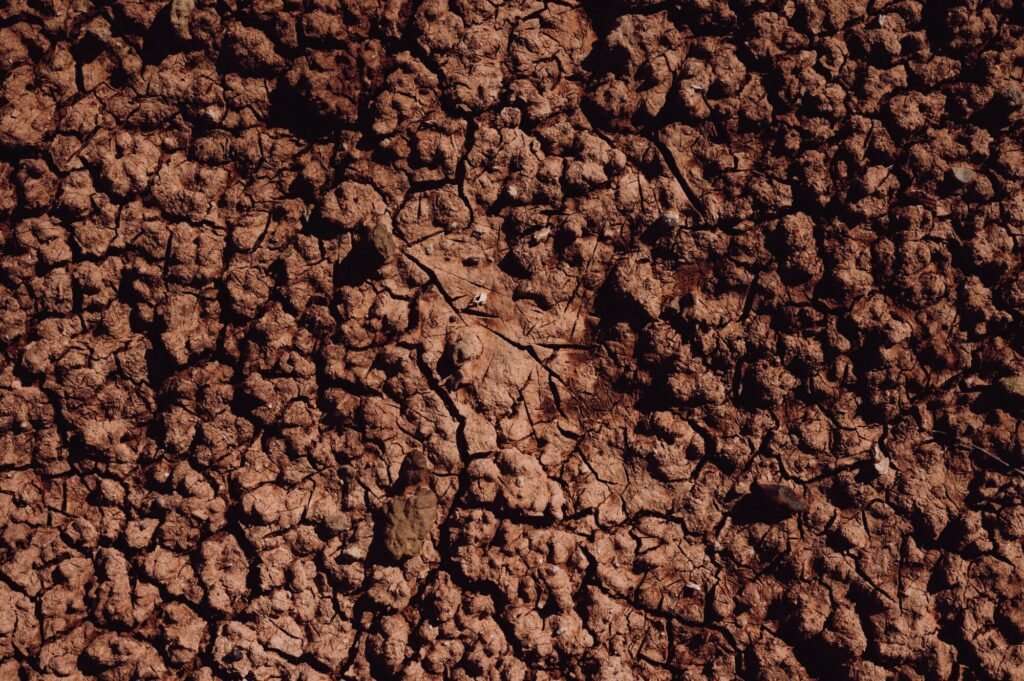
Clay
Where: Pockets throughout the county, common in low spots and on some hillsides.
How it behaves: Sticky when wet, hard and cracked when dry. Drains very slowly.
What it means for your yard: Holds nutrients well but drowns roots. Needs drainage planning and organic matter before planting.
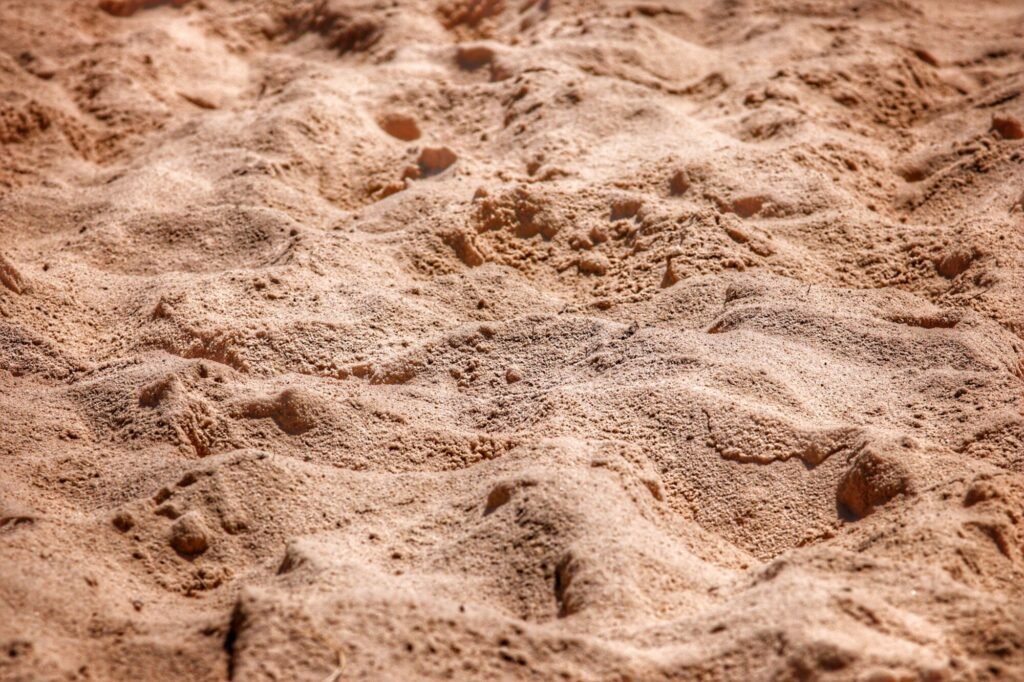
Sandy and gravelly soil
Where: Near rivers and old river channels, and on glacial outwash areas.
How it behaves: Drains fast, compacts well, and warms up early in spring. Holds little water or nutrients.
What it means for your yard: Easy to grade and build on. Plants and lawns need compost added and more summer water.
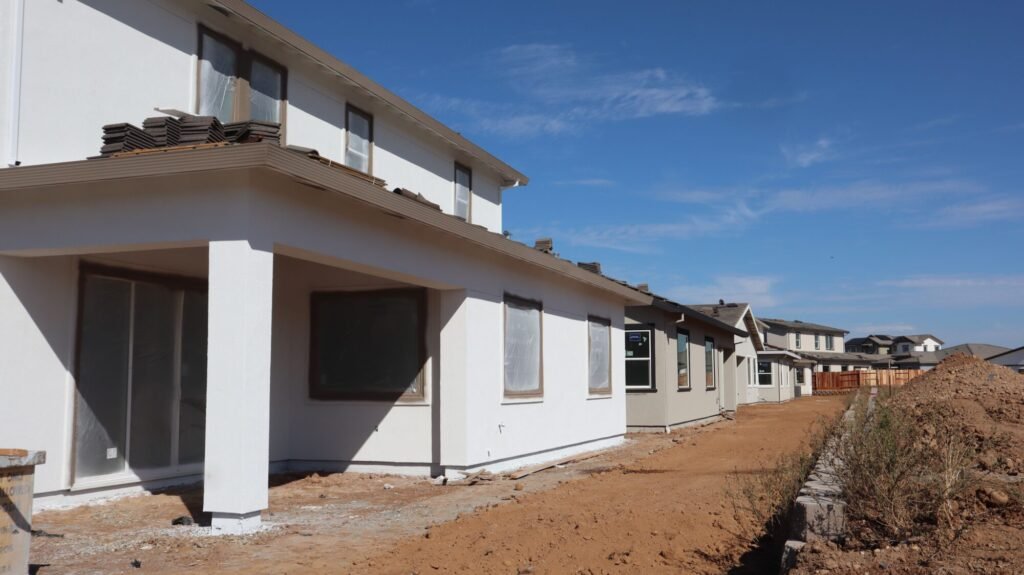
Fill soil on newer lots
Where: Subdivisions and recently built homes anywhere in the county.
How it behaves: Builders often strip the topsoil, compact the subsoil with heavy equipment, and spread a thin layer of soil on top before laying sod.
What it means for your yard: Lawns that struggle, puddles that will not drain, and plants that stall. This is the soil behind many of the drainage and lawn calls we get.
Best soil for grading
Grading soil has to compact firmly and stay where it is put. That means mineral soil with very little organic matter, because organic matter breaks down and the ground sinks with it.
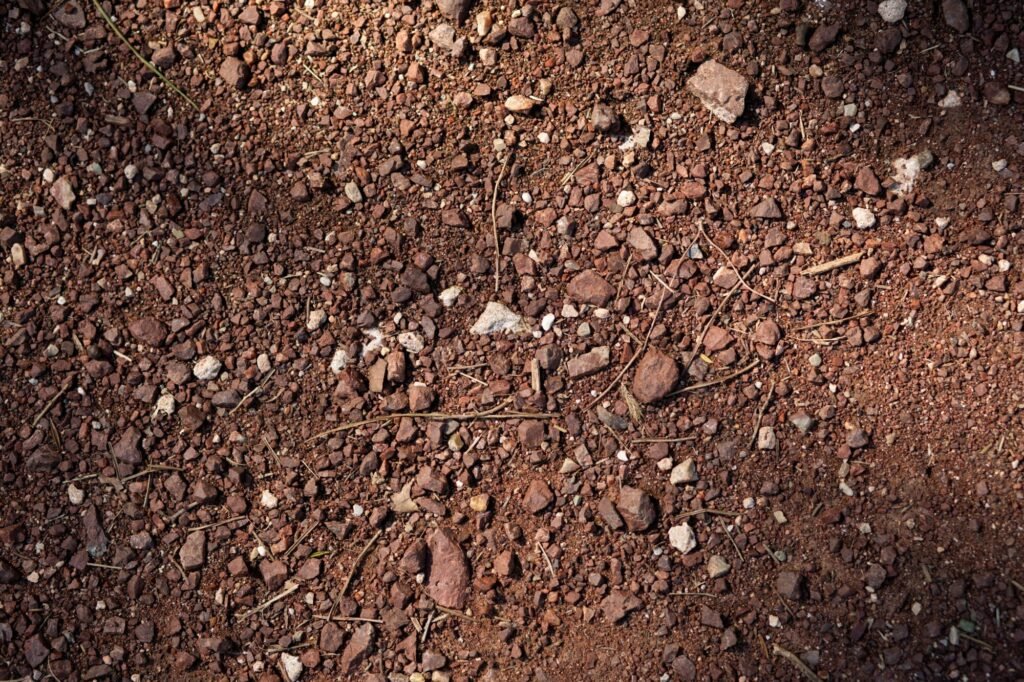
1. Fill dirt
Screened subsoil with little or no organic matter. The standard material for raising low areas, building up grade, and shaping slopes. It compacts well and stays put.

2. Structural fill or pit run.
A sand and gravel blend used where the ground has to carry weight, such as under a patio, driveway, shed pad, or behind a retaining wall. It drains and compacts better than fill dirt.
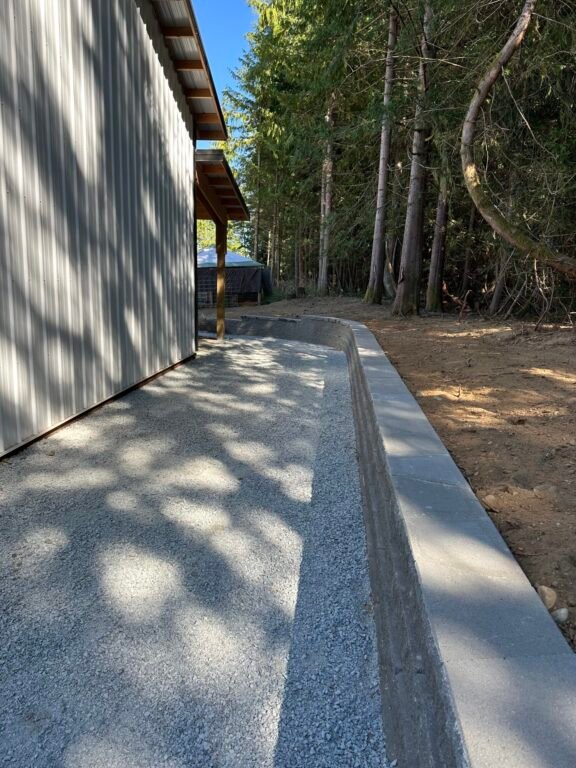
3. Crushed rock, 5/8 inch minus
The base layer under pavers, concrete, and gravel driveways. The mix of rock and fines locks together when compacted.
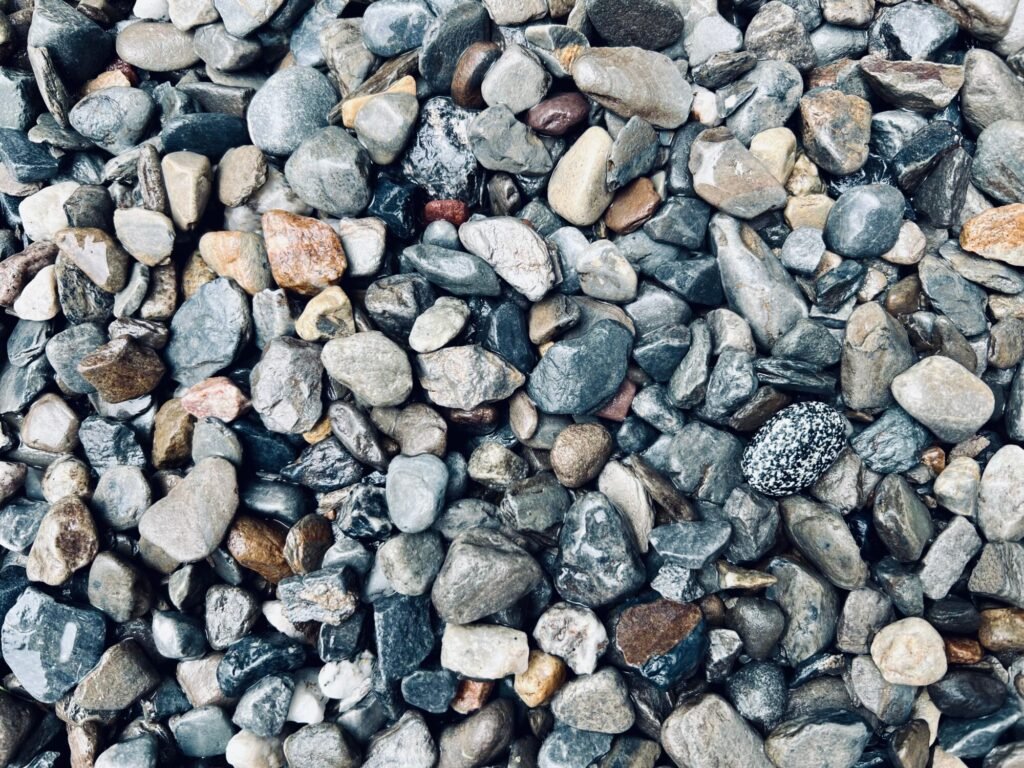
4. Drain rock
Clean, washed rock with no fines. Used in French drains, dry wells, and behind walls so water can move through.
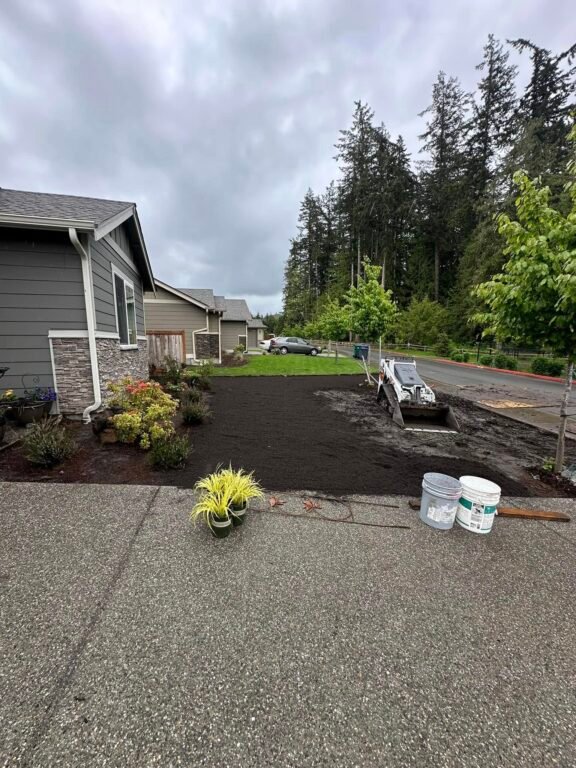
5. Topsoil
Topsoil, for the final layer only. Spread 4 to 6 inches over the finished grade where lawn or plants will go. Topsoil should never be used to fill deep holes or build up grade, because it settles for years.
A few grading rules matter more than the material:
– Slope away from the house. The ground should drop about 6 inches over the first 10 feet from the foundation.
– Compact in layers. Fill should go down in lifts of 6 to 8 inches, each one compacted before the next. Fill dumped in one deep pile will settle.
– Give water a destination. On the flat valley floor, grading alone may not be enough. A swale, catch basin, or French drain often has to carry the water somewhere.
Best soil for planting
Planting soil has to do the opposite of grading soil: stay loose, hold moisture without staying soggy, and carry nutrients. Local soil yards sell several blends, and each has a job.
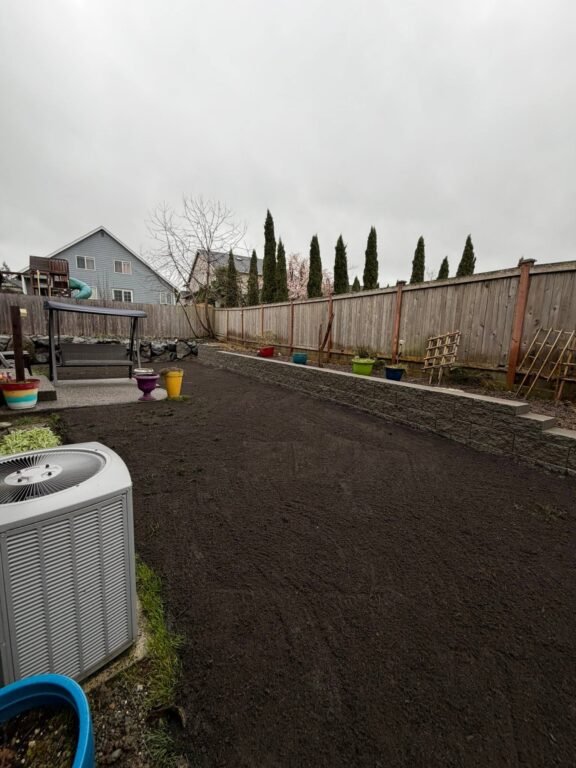
1. Screened topsoil
Native soil with rocks and roots removed. A good general layer over rough grade, though quality varies from yard to yard.
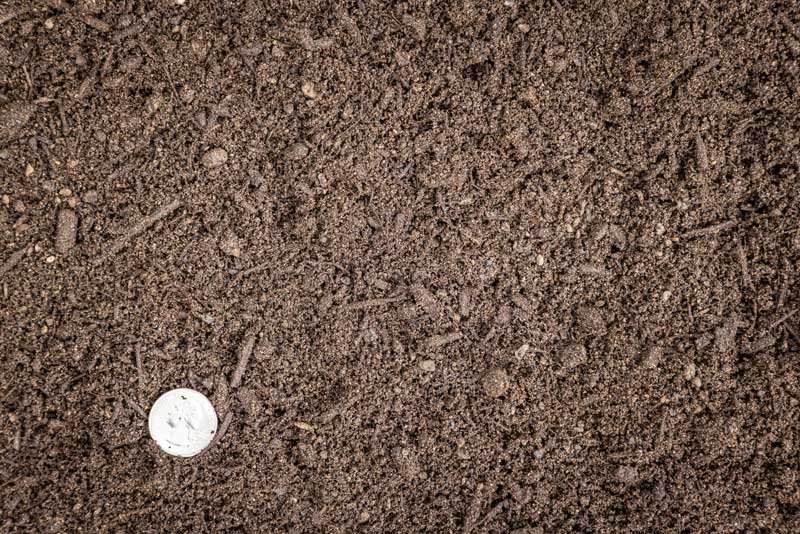
2. Two-way mix.
Topsoil or sandy loam blended with compost. A solid all-purpose choice for planting beds, trees, and shrubs.
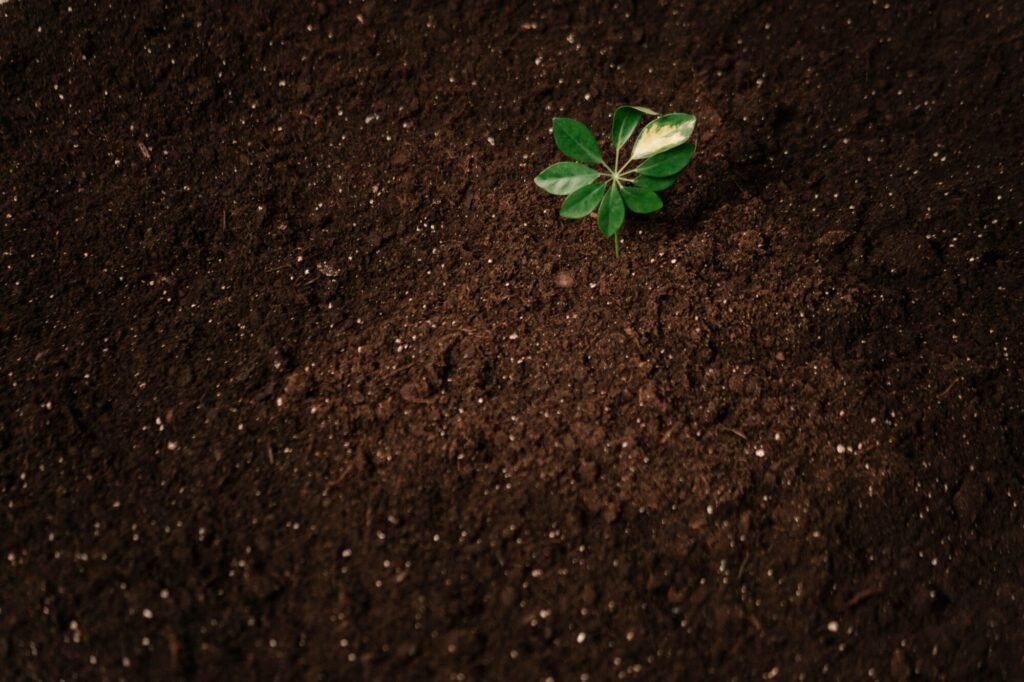
3. Three-way mix
Sandy loam, compost, and a third ingredient such as aged bark or peat. Looser and richer, good for garden beds and new landscape plantings.
4. Sandy loam or lawn mix
A sand-heavy blend that drains well and resists compaction. The best base for sod and hydroseed in our wet winters.
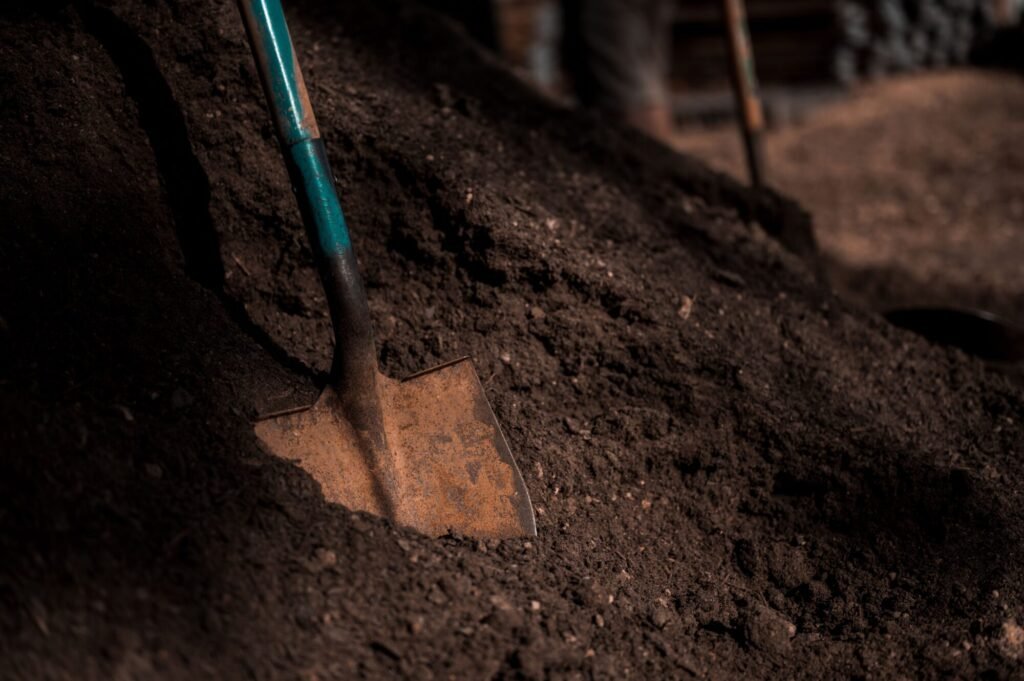
5. Compost
Not a soil on its own. Mixed into existing soil, it loosens clay and helps sandy soil hold water. Spread 2 to 3 inches and work it into the top 6 to 8 inches.
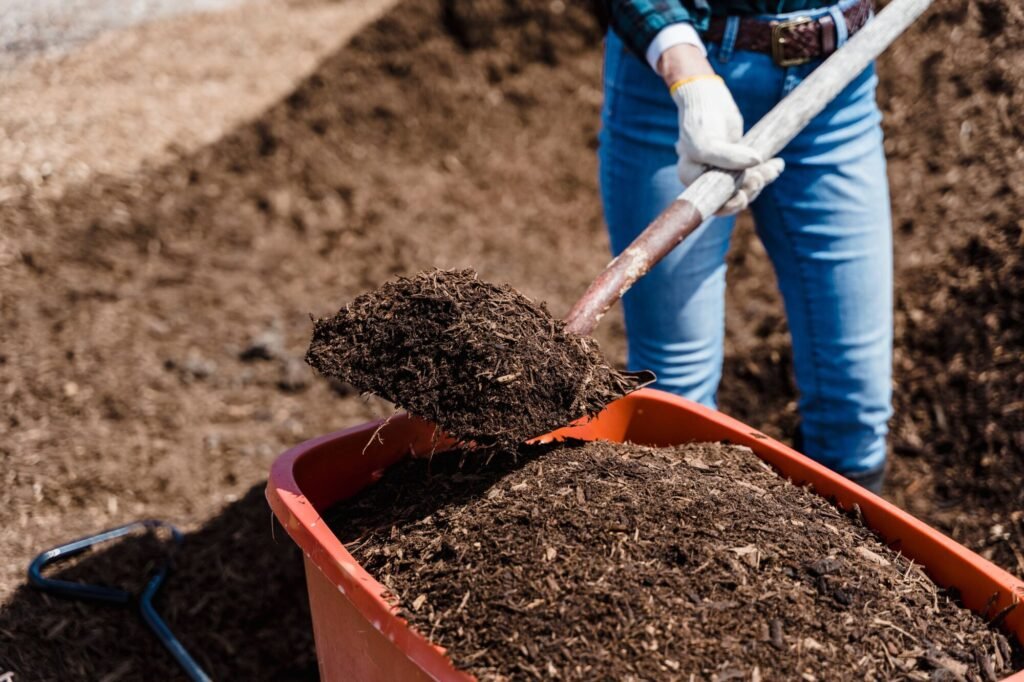
6. Raised bed or garden mix.
A light, compost-rich blend for vegetable beds and planters. Too loose and rich for lawns or for use as fill.
How deep to go:
– Lawns: 4 to 6 inches of sandy loam or lawn mix.
– Planting beds: 12 to 18 inches of two-way or three-way mix.
– Trees and shrubs: Plant in the native soil with compost blended in. A hole filled with rich imported soil in the middle of clay or hardpan acts like a bucket and holds water around the roots.
On hardpan or heavy clay, raising the planting area works better than digging down. A berm or raised bed 12 to 18 inches high gets roots up out of the wet zone.
How to tell what soil you have
Three simple tests cover most of what you need to know, and none takes special equipment.
– Squeeze test. Grab a handful of damp soil and squeeze. Sand falls apart. Loam holds a loose shape and crumbles when poked. Clay forms a tight, sticky ball you can roll into a ribbon.
– Drainage test. Dig a hole about 12 inches deep and 12 inches wide. Fill it with water and let it drain, then fill it again and time it. Draining 1 to 3 inches per hour is good. Slower than 1 inch per hour means clay or hardpan.
– Dig test. Dig down 2 feet. If the shovel stops on a dense gray layer you can barely chip, that is glacial till. If the hole fills with water on its own, the water table is high.
For planting, a lab soil test adds pH and nutrient levels. Western Washington soil tends to be acidic, which matters for lawns and vegetables. The WSU Skagit County Extension office can point you to testing labs and help read the results.
Tips for working with Skagit County soil
– Stay off wet soil. Working or driving on saturated ground crushes its structure, and that damage lasts for years. If soil sticks to your boots in clumps, wait.
– Fix clay with compost, not sand. A little sand mixed into clay makes something close to brick. Organic matter is what opens it up.
– Solve drainage before planting. No soil mix fixes a yard where water has nowhere to go.
– Blend new soil into old. Till the first couple of inches of imported topsoil into the ground below so roots and water cross between the layers.
– Keep topsoil if you are building. Ask your builder to stockpile it instead of hauling it away. It costs far less than buying it back.
– Order a little extra. Soil settles 10 to 20 percent after it is spread and watered.
– Check what you are buying. Ask the soil yard what is in the blend, and look at it before it is delivered. Good topsoil is dark, crumbly, and free of trash and weed roots.
Common questions from homeowners
What type of soil does Skagit County have?
It depends on location. The valley floor is mostly silt loam, a fertile soil with a high winter water table. The hills and uplands are mostly gravelly loam over dense glacial till. Clay pockets, sandy river soils, and compacted fill on newer lots are all common too.
What is the best soil for grading a yard?
Fill dirt for building up grade, structural fill or crushed rock where the ground has to carry weight, and 4 to 6 inches of topsoil on top where grass or plants will grow.
What is the difference between fill dirt and topsoil?
Fill dirt is subsoil with little organic matter, so it compacts and holds its shape. Topsoil contains organic matter that plants need, which also means it settles. Fill dirt goes underneath and topsoil goes on top.
Can I use topsoil to level my yard?
For shallow low spots of an inch or two, yes. For anything deeper, use fill dirt first and finish with topsoil, or the area will sink again.
How much topsoil do I need for a new lawn?
Plan on 4 to 6 inches. One cubic yard covers about 80 square feet at 4 inches deep, so a 1,000 square foot lawn needs roughly 12 to 13 yards.
How do I improve clay soil for planting?
Work 2 to 3 inches of compost into the top 6 to 8 inches, fix the drainage, and plant slightly high or on a berm. Do not add sand.
What is the best time of year to grade a yard in Skagit County?
Late spring through early fall, when the ground is dry enough to work and compact. Winter grading is possible on well-drained sites but often has to wait on the weather.
When to call Brownstone L&H
Soil and grading problems are much cheaper to fix before the lawn, plants, or patio go in. Reach out if:
Water pools in the yard or against the foundation after rain
You are on a new-construction lot and the lawn or plants are struggling
You hit hardpan or standing water a foot or two down
The yard needs to be raised, leveled, or reshaped
You are planning a lawn, planting beds, or a patio and are not sure what soil to bring in
We will look at your soil, slope, and drainage on site and tell you what material is needed, how much, and where it should go.
Brownstone L&H handles grading, drainage, soil prep, lawn installation, and planting throughout Skagit County, as well as Snohomish and Whatcom County. Contact us to schedule an on-site estimate.
License Number
#BROWNL*753BW
Phone
360-333-7738
brownstonelh@gmail.com