Brownstone L&H LLC
Emerald Green Arborvitae After Planting: What to Expect in the First 12 Months
OCt 5, 2026 – Brownstone L&H
A newly planted Emerald Green arborvitae spends its first year growing roots, not height. That is why a privacy hedge can look like it is doing nothing, or even going backward, for months after it goes in the ground.
At Brownstone L&H we plant emerald hedges across Skagit, Snohomish, and Whatcom County, and the questions we hear are almost always the same. Why is it turning brown? Am I watering too much or too little? Is it dying, or is this normal?
This guide covers what to expect month by month, the problems that show up most in Western Washington, what causes them, and how to fix them before you lose a tree.
Why new emerald arborvitae struggle
Most first-year problems come down to water, either too little in summer or too much in soil that does not drain. The rest are usually planting depth, weather, or animals.
1. Not enough water
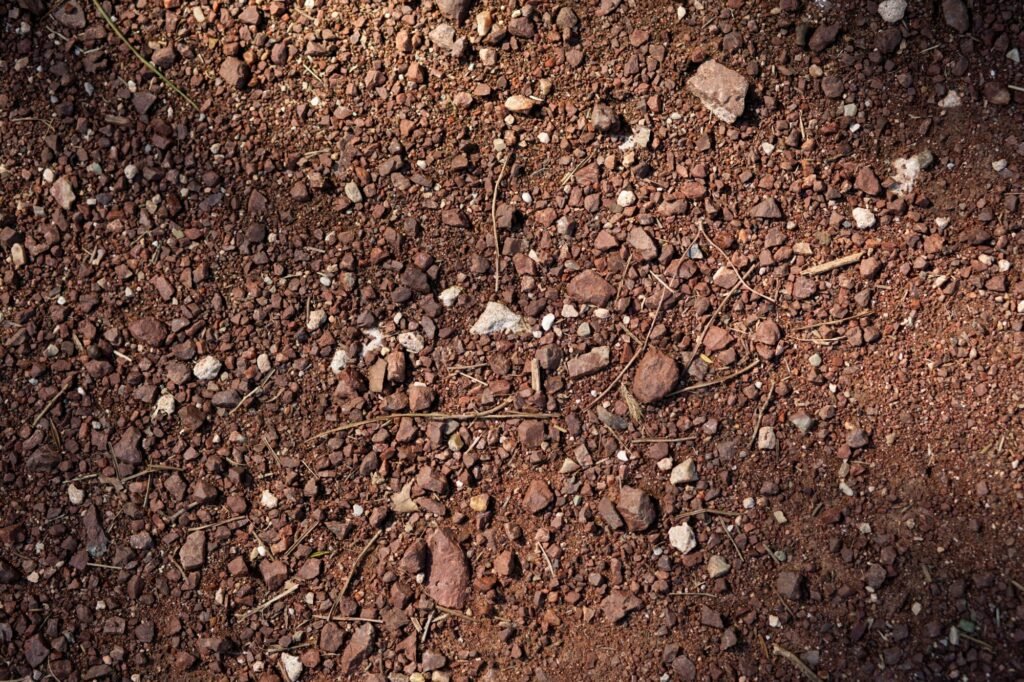
What you see: Tips turn dull, then tan, then crispy brown, often starting at the top or on the sunny side.
Cause: Our summers are dry from July through September. A new tree only has the roots that came in its pot or burlap ball, and that small root ball dries out in a day or two of heat.
Fix: Water slowly and deeply at the base so it soaks the root ball, not just the mulch. Check by pushing a finger 2 to 3 inches into the soil next to the trunk. Dry means water. A drip line or soaker hose on a timer is the most reliable setup for a hedge.
2. Too much water or poor drainage
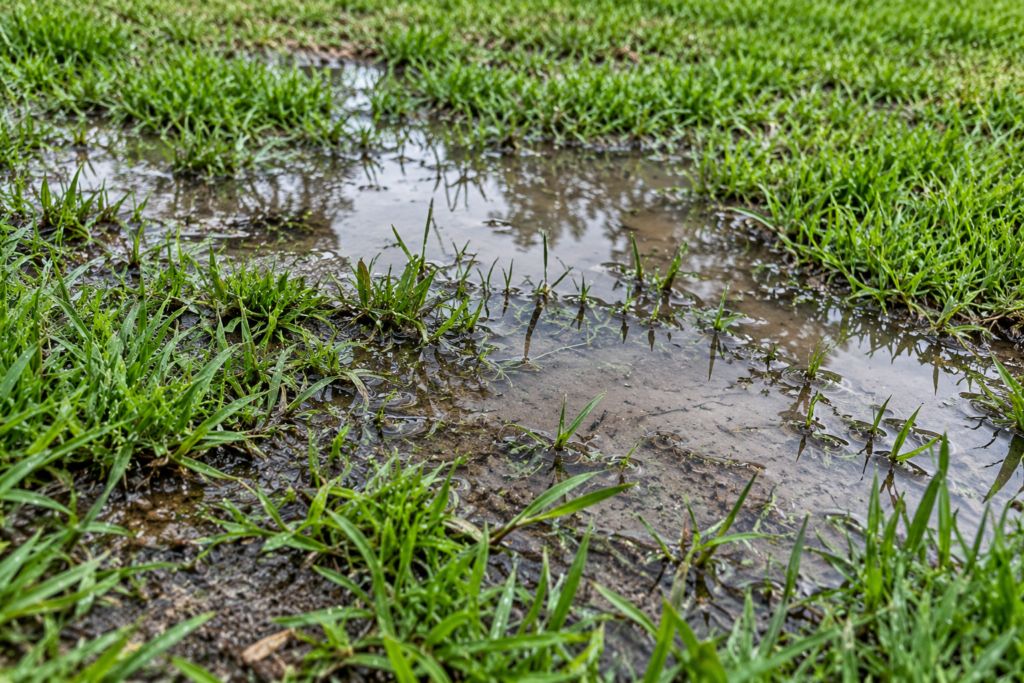
What you see: Yellowing, then browning from the bottom up or the inside out. Soil stays soggy and may smell sour.
Cause: Heavy clay and compacted soil hold water around the roots, and the roots rot. This is common in low spots, near downspouts, and in new-construction yards. Daily lawn sprinklers hitting the hedge make it worse.
Fix: Stop watering until the top few inches dry out. Redirect downspouts and sprinkler heads. If water pools after rain, the area needs drainage work or the trees need to be raised on a berm. Root rot does not reverse, so catch it early.
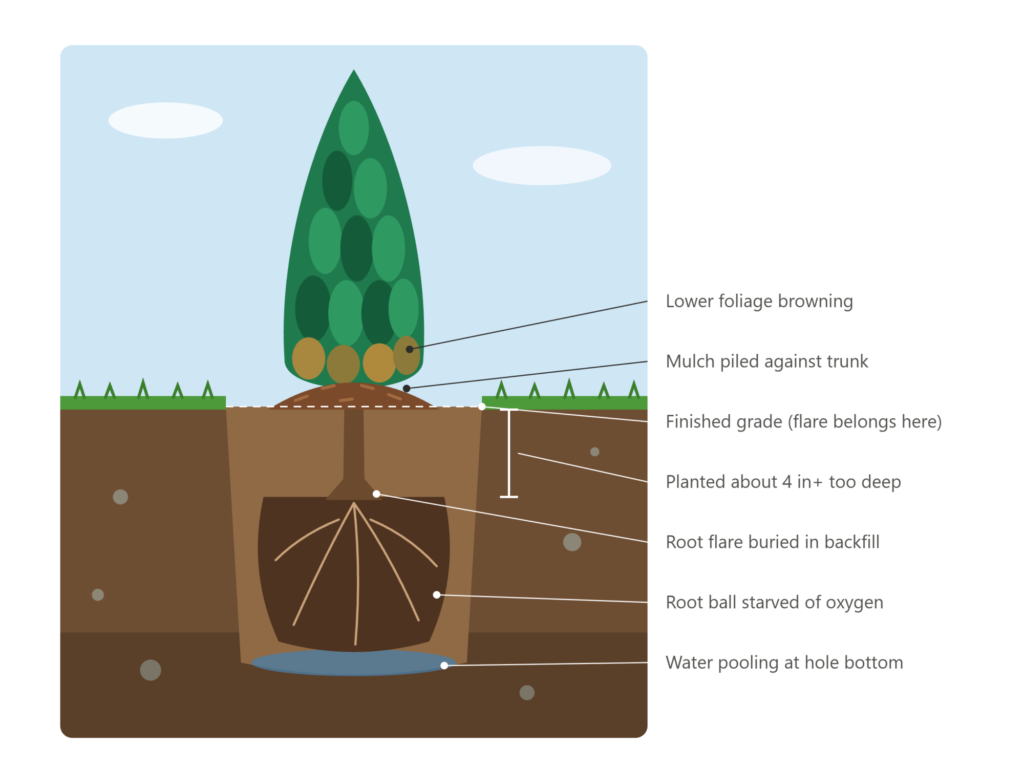
3. Planted too deep
What you see: Slow decline over months with no obvious reason. Thin, pale growth.
Cause: The root flare, where the trunk widens at the base, is buried under soil or mulch. Twine or wire left around the trunk can also choke the tree as it grows.
Fix: Pull soil and mulch back until the flare is visible. Cut away any twine or burlap wrapped at the trunk.
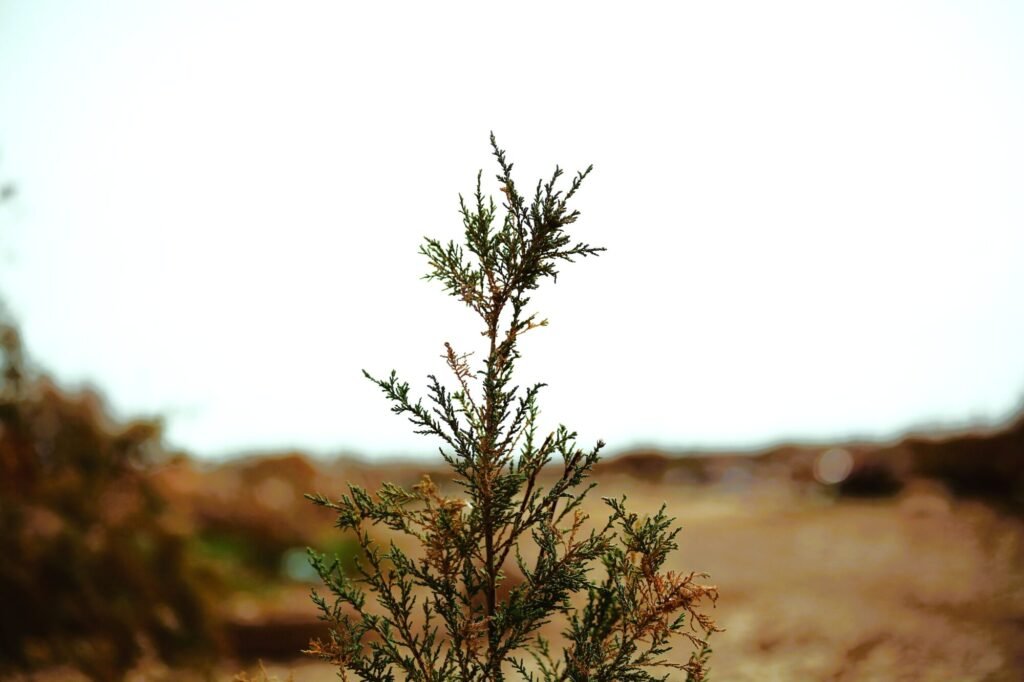
4. Transplant shock
What you see: Some yellowing or light browning in the first few weeks, spread through the tree.
Cause: The tree lost roots when it was dug or moved. This is normal.
Fix: Consistent water and patience. Do not fertilize and do not prune. Most trees settle within 4 to 8 weeks.
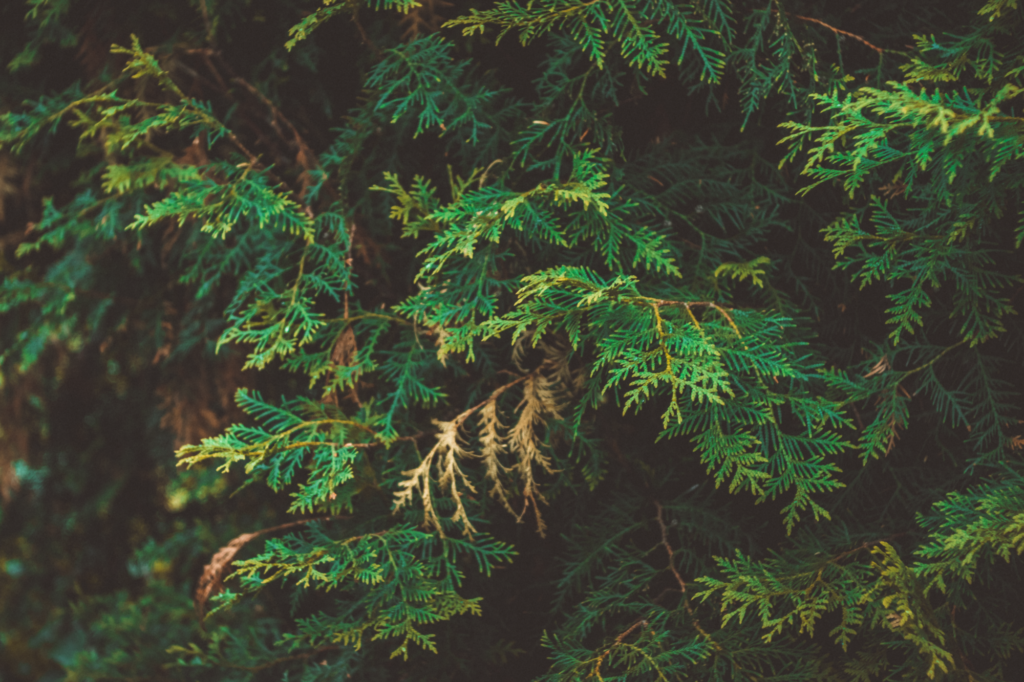
5. Normal fall shedding
What you see: Brown foliage on the inside of the tree, close to the trunk, in September through November. The outside stays green.
Cause: Arborvitae drop their oldest inner foliage every fall. It often looks heavier in the first year because the tree is stressed.
Fix: Nothing. Shake or brush the dead foliage out if it bothers you.
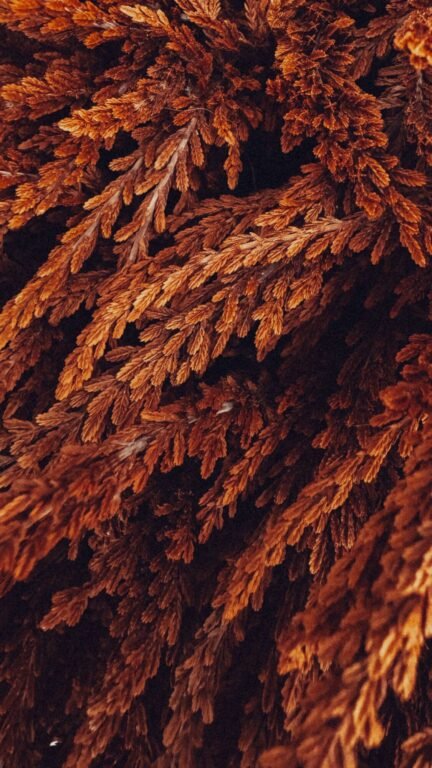
6. Winter bronzing and wind burn
What you see: Foliage turns bronze or brownish on the side facing the wind, usually in January or February.
Cause: Cold, dry wind pulls moisture out of the foliage faster than cold roots can replace it. Whatcom County and north Skagit get hit hardest during northeast outflow winds.
Fix: Water well going into a cold snap if the soil is dry. Light bronzing greens back up in spring. Foliage that turns fully brown and brittle will not.
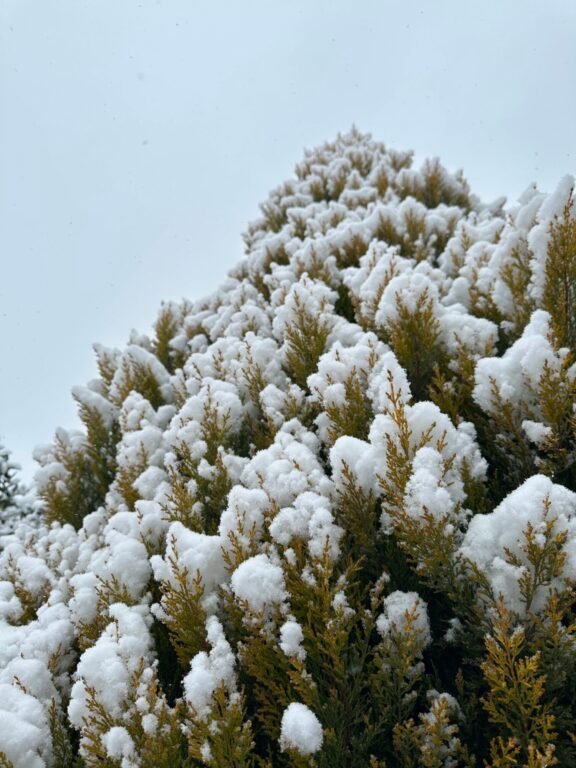
7. Snow and ice damage
What you see: Branches splayed open or bent outward after heavy wet snow.
Fix: Brush snow off gently with a broom, sweeping upward. Tie spread stems back together with soft tree tie. Do not shake frozen branches, they snap.
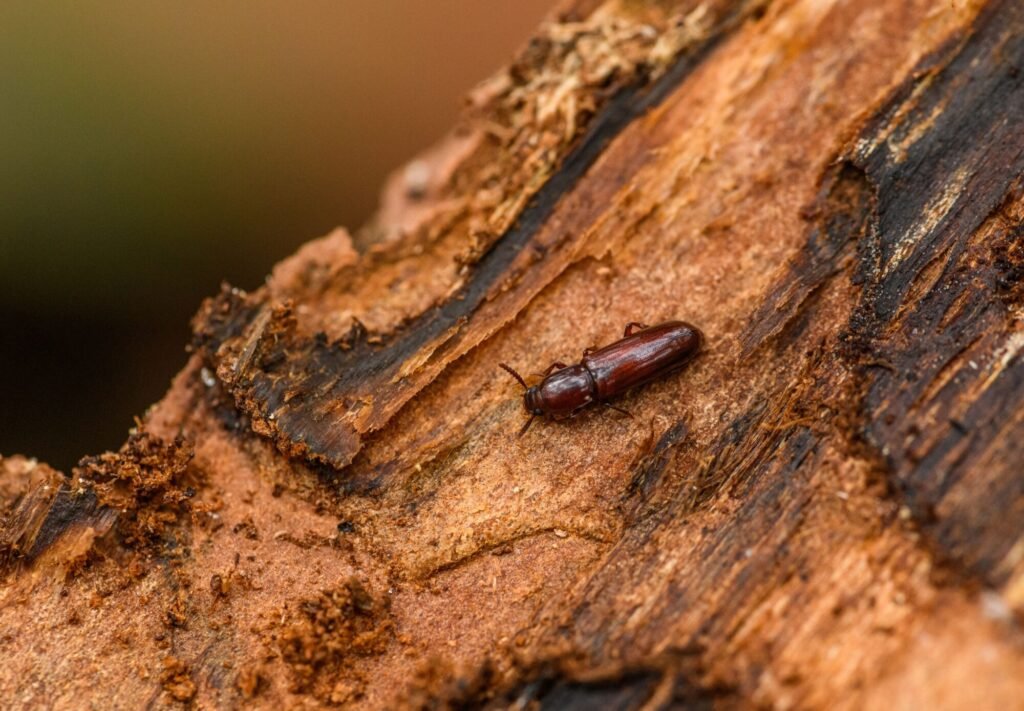
8. Deer, dogs, and mites
Deer: Foliage stripped from the ground up to about 5 feet, mostly in winter. Arborvitae is a favorite. Use netting or repellent the first few winters.
Dog urine: Brown patches low on one side, right where the dog goes. Rinse the spot with water and block access.
Spider mites: Dusty, speckled, gray-brown foliage in hot dry weather. Tap a branch over white paper; moving specks mean mites. A hard spray of water every few days knocks them back.
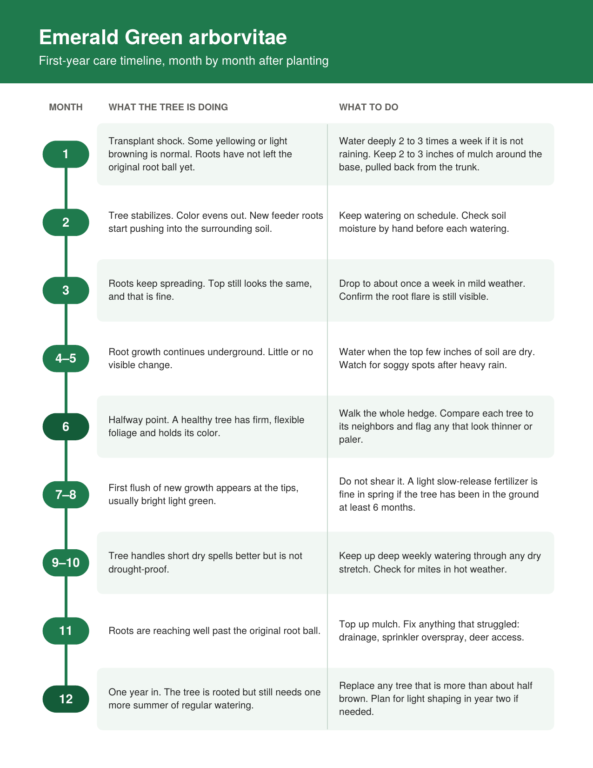
What to expect: months 1 through 12
Expect very little top growth in year one. A healthy emerald usually adds only a few inches while it roots in, then picks up to roughly 6 to 12 inches a year once established.
This timeline assumes fall planting, the best time to plant in Western Washington. The stages shift if you plant in another season. Fall planting means months 1 through 6 are cool and wet, so drainage is the main risk. Spring planting puts months 3 through 6 in the dry season, so watering is the main risk.
Whatever month it lands on, the first July through September is when most new emeralds are lost. Plan to water twice a week through that stretch, and more during a heat wave.
First-year care tips
Water the root ball, not the leaves.
A slow soak at the base beats a quick spray from the hose every time.
Check before you water.
Finger in the soil, 2 to 3 inches down. Damp means wait. More new trees die from guessing than from anything else.
Mulch 2 to 3 inches deep
Keep it a few inches away from the trunk so the bark stays dry.
Skip fertilizer at planting.
It pushes top growth the roots cannot support yet. Wait until the following spring.
Do not prune the first year.
When you do shape later, never cut back into bare brown wood. Arborvitae do not regrow from it.
Keep lawn sprinklers off the hedge.
Daily shallow water keeps foliage wet and roots soggy.
Keep grass and weeds back
A clear ring about 2 feet wide stops them from stealing water.
Brown does not turn green again.
Dead foliage stays dead. What matters is whether the tips are still green and putting on new growth.
Common questions from homeowners
Why is my new arborvitae turning brown?
In the first weeks it is usually transplant shock. In summer it is usually underwatering. In winter and spring it is usually wet soil or wind burn. Where the brown is tells you the most: inside near the trunk is normal shedding, tips and top point to drought, and bottom-up points to wet roots.
How often should I water newly planted emerald arborvitae?
Two to three deep waterings a week for the first month, then about once a week in mild weather. Go back to twice a week or more through the dry summer. Always check the soil first, because rain and soil type change the answer.
How fast do emerald arborvitae grow?
Slowly in year one, then about 6 to 12 inches a year. They mature around 12 to 15 feet tall and 3 to 4 feet wide, which is why they work well for narrow privacy screens.
Will a brown arborvitae come back?
Brown foliage will not turn green, but a tree with green tips and live buds can fill in around the damage over a few seasons. A tree that is mostly brown is rarely worth waiting on.
How long until my hedge fills in?
It depends on the size planted and the spacing. Trees set about 2.5 to 3 feet apart typically close the gaps in 3 to 5 years.
When is the best time to plant emerald arborvitae tree?
Fall is best. The soil is still warm, the rain does most of the watering, and roots get months to establish before the first dry summer. Early spring is second best.
When to call Brownstone L&H
Call us when a tree is getting worse week over week instead of holding steady. The earlier we see it, the more likely it can be saved. Reach out if you notice any of these:
– Browning that is spreading on the outside of the tree, not just the inner foliage
– One or two trees in the hedge declining while the rest look fine
– A tree that is more than a third brown
– Water pooling around the hedge or soil that stays soggy for days
– Trees leaning, rocking in the ground, or splayed open after snow
– Foliage stripped by deer or a section that is thinning from the bottom
– You are not sure whether what you are seeing is normal
We will come out, check the soil, drainage, and planting depth, and tell you plainly whether the tree needs a fix, a replacement, or just more time.
Planning a new privacy hedge or dealing with one that is struggling? Brownstone L&H installs and repairs emerald arborvitae hedges throughout Skagit, Snohomish, and Whatcom County. Contact us at 360-333-7738 or Brownstonelh@gmail.com for a free estimate.