
Empowering Success Together
Paver Problems & Solutions In Skagit County, WA
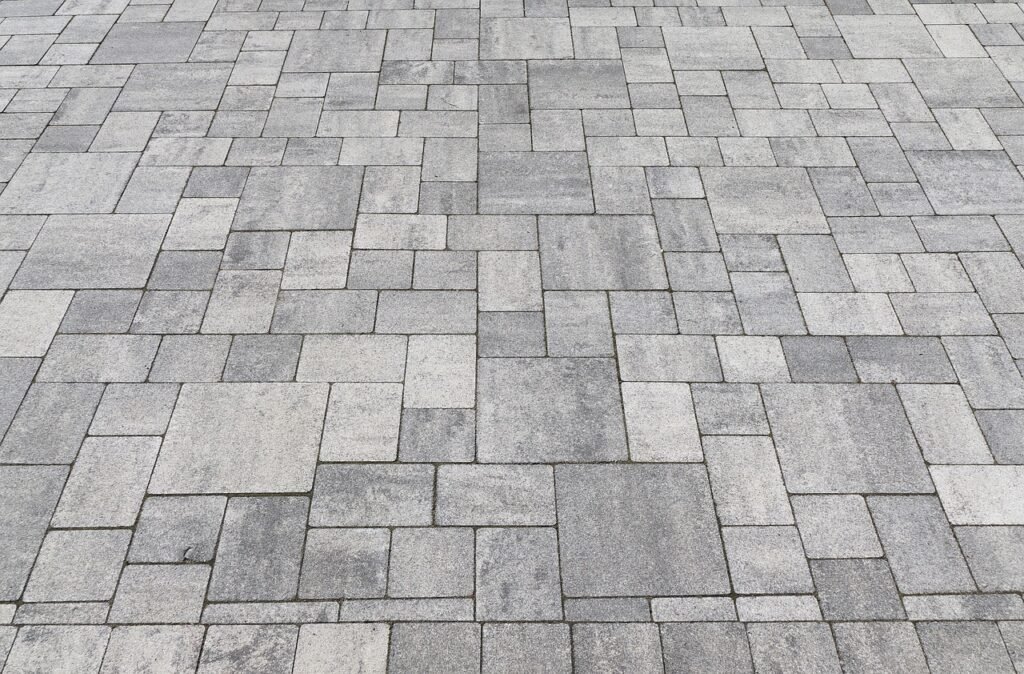
Common Paver Problems Homeowners Should Know
Sinking Pavers
Sinking Pavers are pavers that have dropped below the surrounding surface, creating low or uneven spots. They can make patios, walkways, and driveways uncomfortable or unsafe to walk or drive on. This usually happens when the base underneath the pavers shifts, settles, or wasn’t properly prepared. Over time, sinking can lead to uneven surfaces, standing water, and further paver damage.
Standing Water
Standing Water occurs when rainwater collects on top of or around pavers instead of draining away properly. It can leave puddles on patios, walkways, and driveways, making the surface slippery and uncomfortable to use. Poor grading, settled pavers, or clogged drainage can cause water to collect. Over time, standing water can lead to shifting pavers, erosion, and other damage.
Cracked & Broken Pavers
Cracked & Broken Pavers are pavers that have developed visible cracks, chips, or completely broken sections. This can make the surface uneven, unsafe to walk on, and less attractive. They’re often caused by shifting ground, poor installation, and heavy loads. Small cracks can quickly turn into larger breaks if left untreated. The good news is that damaged pavers can often be repaired or replaced without redoing the entire area.
Shifting or Uneven Pavers
Shifting & Uneven Pavers happen when pavers move out of place or no longer sit level with the surrounding surface. This can create gaps, raised edges, or an uneven surface across patios, walkways, and driveways. often caused by ground movement, poor base preparation, or erosion underneath the pavers. Left untreated, the uneven areas can worsen and become a tripping hazard.
Weeds Between Pavers
Unwanted Plants that grow through the joints and gaps between individual pavers. They can make a clean patio, walkway, or driveway look messy and neglected. Weeds often grow when dirt, seeds, and moisture collect in the joints over time. Over time, they can spread quickly and make paver maintenance more difficult.
What Causes Paver Problems?
Poor Base Preparation
Poor Base Preparation – means the ground underneath the pavers was not properly excavated, leveled, or compacted before installation. A paver base needs the right depth and a firm, compacted layer of crushed rock to support the surface. Without it, the ground can settle or shift, causing pavers to sink, wobble, crack, or become uneven over time.
Drainage Issues
Drainage Issues – happen when water cannot properly flow away from the paver surface or drain through the base. Poor grading or inadequate drainage can leave water trapped underneath the pavers, weakening the base and washing away supporting materials. Proper drainage helps keep water from collecting beneath or around the pavers.
Heavy Rain & Moisture in Skagit County
Wet climate – Skagit County’s wet climate means pavers are often exposed to heavy rain and moisture. Heavy rain can overwhelm the ground and drainage around your pavers, especially when water has nowhere to escape. Excess water can wash out the base material, weaken the soil, and cause pavers to sink, shift, or become uneven. This makes water management an important consideration when planning a paver project in the area.
Normal Wear & Tear
Normal Wear & Tear – happens as pavers are exposed to foot traffic, weather, moisture, and changing temperatures over time. These everyday conditions can cause pavers to fade, shift slightly, or develop small cracks and surface wear. Without routine maintenance, minor wear can gradually turn into bigger paver problems.
Improper Installation
Improper Installation – happens when pavers are not laid and secured correctly during the installation process. Poor spacing, uneven leveling, weak compaction, or incorrect edge restraints can cause pavers to shift, spread, sink, or become uneven. Proper installation keeps your pavers stable, level, and looking great for years.
Soil movement
Soil Movement – happens when the ground beneath the pavers shifts, settles, or expands over time. Changes in moisture, poor drainage, freezing, or unstable soil can cause pavers to sink, shift, or become uneven. This movement can create low spots, gaps, and an uneven surface. Proper soil preparation and drainage help keep your pavers stable and level.
How to Fix Paver Problems
Damaged Pavers
Cracked or broken pavers should be removed and replaced to restore a safe, level surface. The damaged paver is lifted out, the base is checked, and a matching paver is set securely in place. Leaving damaged pavers unrepaired can allow water and weeds into the joints, causing more shifting, cracking, and costly paver repairs. Quick paver replacement helps protect your patio, walkway, or driveway and keeps your landscape looking its best.
Improve Drainage
When water pools around pavers, the right drainage solution can keep the area dry and prevent future damage. Some options include the, French drain which uses a perforated pipe surrounded by gravel to collect standing water and move it away from wet areas, Catch basin collects surface water in low spots and carry it away through underground piping. For smaller problems, improve the slope and base so water flows away instead of pooling. These solutions redirect excess water and help prevent sinking, shifting, and damaged pavers.
Shifting & Uneven Pavers
Shifting or uneven pavers can create trip hazards and leave your patio or walkway looking uneven. Repair include removing the affected pavers and checking the base underneath for low or unstable areas. Adding and compacting the base material, then reseting the pavers so they sit level with the surrounding surface. Finish with fresh joint sand to help keep the pavers firmly in place.
Weed Problems
Fixing weed problems typically involve pulling weeds from the paver joints and removing as much of the root system as possible. Cleaning out loose dirt and old joint sand where weeds are growing. Refilling the joints with polymeric sand and compacting it to help block future weed growth. This keeps pavers locked in place while also preventing weeds from causing shifting or uneven pavers.
Sinking Pavers
Sinking Pavers are usually caused by a weak or uneven base underneath. Repairs consist of lifting the sunken pavers and removing the unstable base material underneath. Adding fresh base material, compacting it firmly, and leveling the area. Reseting the pavers so they are level and properly supported. This restores a solid foundation and leaves the pavers level, stable, and ready to last.
How to Prevent Paver Problems
Base Preparation
A strong, properly prepared paver base helps prevent sinking, shifting, cracking, and uneven pavers. Proper excavation, compacted base material, and a level foundation give pavers the stability they need to handle heavy use and changing weather. Skipping base preparation can lead to costly paver repairs down the road. Build the base right, and your paver patio, walkway, or driveway will stay level and durable for years.
Correct Grading and Drainage
Correct grading and drainage are essential for preventing common paver problems like sinking, shifting, and water pooling. A properly graded surface directs water away from your patio, walkway, or driveway instead of allowing it to collect beneath the pavers. Proper drainage helps protect the base from becoming saturated and unstable. A well-graded paver installation creates a strong, long-lasting foundation that can handle Skagit County’s wet weather. Getting the grading and drainage right from the start helps prevent costly paver repairs later.
Routine Maintenance
Routine paver maintenance helps prevent small issues from becoming costly repairs. Maintenance include regularly removing weeds, dirt, and debris from paver joints to keep the surface clean and stable. Checking for loose, cracked, or sinking pavers and addressing them before the damage spreads. Keeping the joints filled with sand and cleaning the pavers. A little routine maintenance can keep your pavers looking great and lasting for years.
Quality Installation
A quality paver installation starts with proper base preparation, compact, and grading. Using the right materials and installation techniques helps prevent pavers from sinking, shifting, or becoming uneven. Properly installed edge restraints and stable joints keep the entire paver surface secure. Professional installation also helps manage drainage and withstand Skagit County’s wet weather. A strong installation from the start means fewer paver problems and longer-lasting results.
Proper Joint Sand
Proper joint sand helps keep pavers locked in place while reducing shifting, weed growth, and erosion. Regular joint sand is commonly used for basic paver installations (contains no binding agents), while polymeric sand contains binding agents that harden when activated with water, creating stronger, more stable joints. Polymeric sand is especially useful for patios, walkways, and driveways where you want better resistance to weeds, insects, and washout. Choosing the right joint sand and installing it correctly helps maintain a smooth, durable paver surface.
Take Action Now
When to Consider Professional Paver Repair Services
Small paver problems can become bigger problems if they’re ignored. If you notice sinking, movement, pooling water, or damaged pavers, addressing the underlying issue early can help prevent more expensive repairs. A landscaping professional can remove the affected pavers, repair or rebuild the base, improve drainage, and reset the pavers properly preventing the same problems from coming back.
From base repairs and re-leveling to replacing damaged pavers and improving drainage, we can help get your hardscape back in shape.
Ready to fix your pavers? Contact Brownstone L&H for a free estimate in Skagit County, WA.