
Signs You Need a Retaining Wall or Rock Wall in Skagit County, WA
Why Skagit County Properties Face Different Soil Challenges
Skagit County’s mix of terrain from low-lying yards near the Skagit River to hillside properties in Anacortes means many yards deal with poor drainage, seasonal flooding, and saturated soil. Around Mount Vernon and Burlington especially, water has to go somewhere — and if your yard isn’t graded and reinforced to handle it, that somewhere is often your foundation or crawl space.
Here’s how to spot the warning signs, and which structure actually solves them.
2
Signs Your Skagit County Yard Needs a Retaining Wall or Rock Wall
Water Sits In Your Yard For Days
After Rain
Water sits in your yard for days after rain instead of draining — common on the flatter, low-lying lots near Mount Vernon and Burlington. Left untreated, standing water can kill grass and plants, breed mosquitoes, and gradually saturate the soil near your foundation.
Soil Erodes Along A Slope, Ditch, Or Property Line
Soil erodes along a slope, ditch, or property line, leaving bare patches or silt buildup. Over time this can widen the ditch, undercut fencing or landscaping, and send sediment onto neighboring property or into local waterways.
A Raised Bed or Driveway Edge Area Keeps Losing Soil
A raised bed, driveway edge, or planting area keeps losing soil into the lawn or walkway below it. Left alone, you’ll keep losing topsoil and plants, and the erosion can eventually undercut the edge of the driveway or walkway itself.
Your Crawl Space Or Foundation Stays Damp After Storms
Your crawl space or foundation stays damp after storms, a sign water isn’t being redirected away from the house. Chronic moisture here can lead to mold, wood rot, and long-term structural damage if it isn’t corrected.
You’re Near A Drainage Ditch, Creek, Or Low Spot That Overflows
You’re near a drainage ditch, creek, or low spot that regularly overflows onto your property. Left unaddressed, repeat overflow events tend to get worse each season and can put your yard, and eventually your home, at greater flood risk
Retaining Wall or Rock Wall: How to Tell Which Fits Your Skagit Property
In low-lying Skagit County terrain, the choice usually comes down to how much water and soil movement you’re managing, not just slope height.
Bottom line: if standing water or flooding is part of the problem, a retaining wall with proper drainage is usually the real fix. If it’s just soil containment on a small grade change, a rock wall often does the job.
Retaining Wall
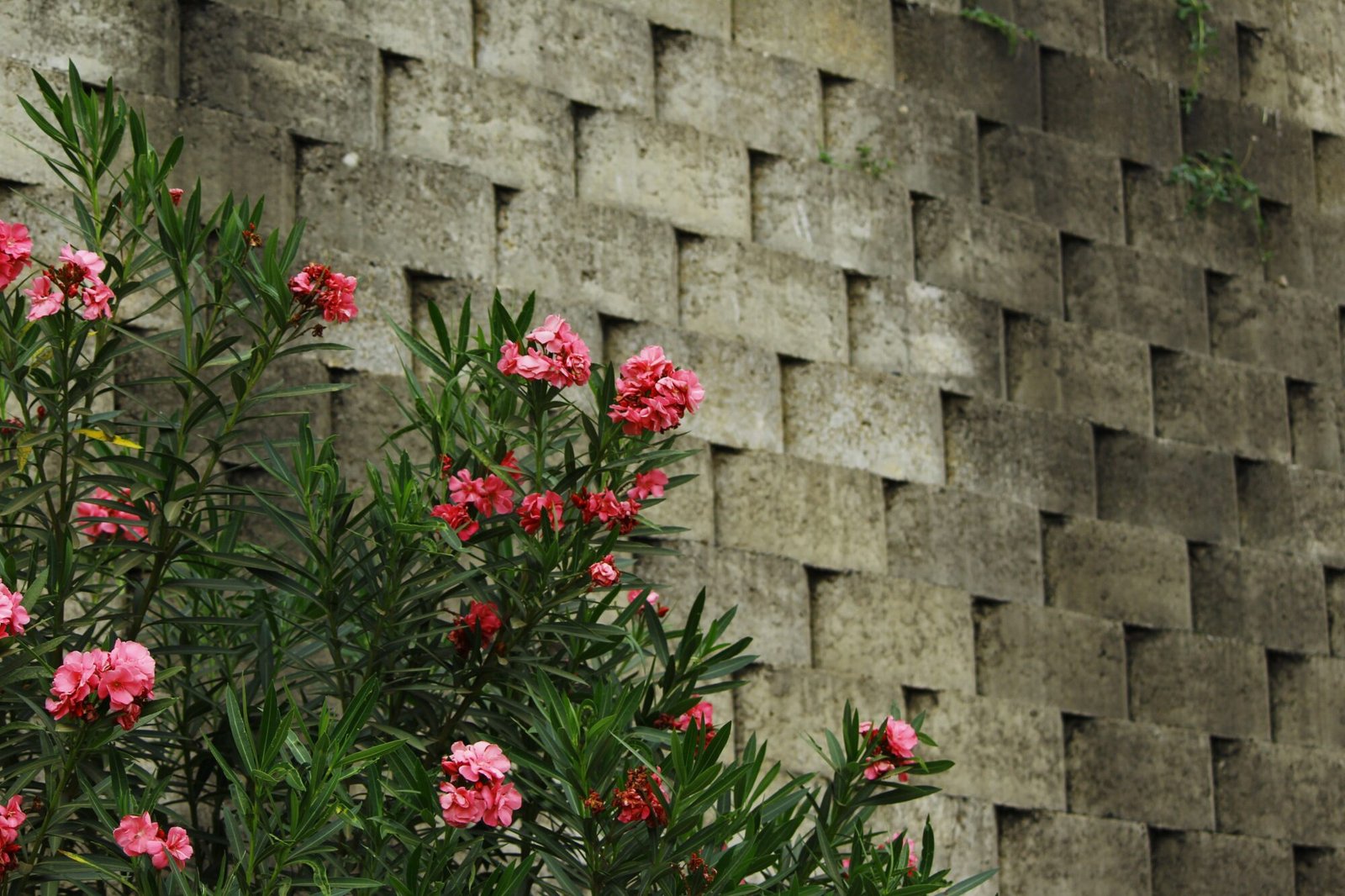
A retaining wall is the structural fix: an engineered block or timber wall built to hold soil in place and, when paired with drain tile or gravel backfill, actively move water away from the area instead of letting it pool. This is typically what’s needed where flooding or standing water has become a repeat problem.
Rock Wall
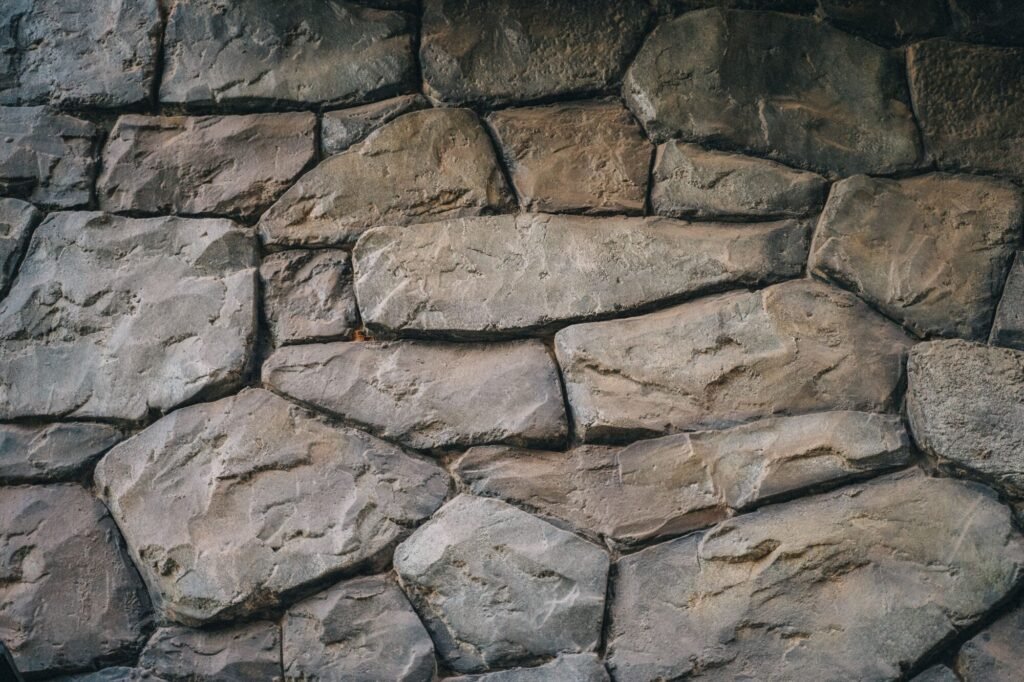
A rock wall works well for smaller edge issues — a raised garden bed losing soil, a driveway border, or a mild slope that needs containing but isn’t dealing with major water volume. It’s a lighter-weight, more natural-looking option for cosmetic or minor grading needs.
A Recent Retaining Wall Installation In
Mt. Vernon, WA
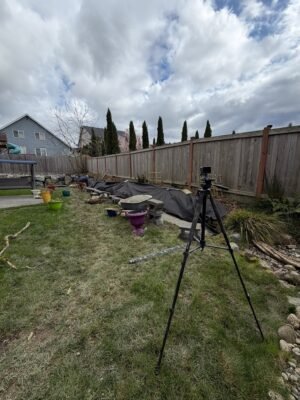
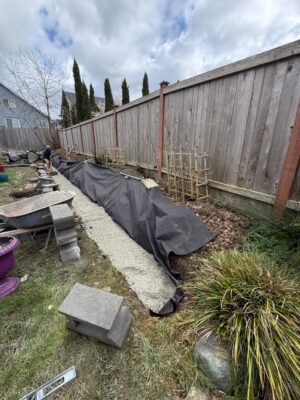
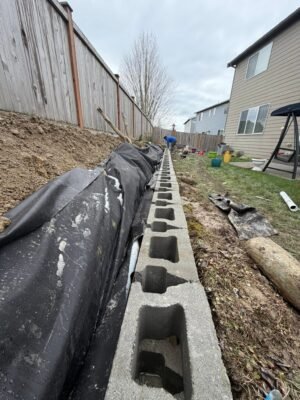
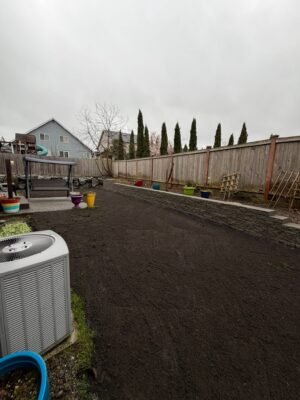
On a property in Mount Vernon, the yard had nowhere for runoff to go — every storm sent water straight through the plant beds along the back fence line, steadily washing the soil out from under the landscaping. We installed a block retaining wall with a full drainage system behind it, using landscape fabric and gravel backfill so water could pass through and drain away instead of building up against the beds. Since the wall went in, the yard drains properly after every storm, the plant beds have stopped eroding, and the side yard has a cleaner, more finished look.
Frequently Asked Questions
What’s The Difference Between A Retaining Wall & Rock Wall?
A retaining wall is an engineered structure designed to hold back significant soil and, with proper drainage, manage water flow. A rock wall is a lighter, more decorative stacked-stone feature suited to minor grade changes or garden borders.
What Permits Does Skagit County Require For A Retaining Wall?
Any wall over 4 feet tall, measured from the footing to the top, needs a permit and engineered plans in most Skagit County jurisdictions. Because so much of the valley sits in flood-prone areas, additional drainage or flood-plain review may also apply — check with your city or the county before starting.
What’s A Fair Price Range For A Retaining Wall In Skagit County?
Expect $25–$60 per square foot installed for a typical residential wall, with drain-tile or drainage work adding to that where flooding has been a recurring issue. A free walkthrough quote gets you a firm number.
Will A Retaining Wall Actually Stop Flooding In My Yard?
A properly built retaining wall paired with drain tile and correct grading redirects water away from problem areas, which solves most yard flooding. It won’t fix issues caused by a failing municipal storm system or a high water table on its own — we’ll flag that during a site visit if it applies.
What Material Works Best For Wet, Low-lying Soil?
Engineered block walls with gravel backfill and drain tile handle Skagit Valley’s saturated soil best, since they let water escape instead of building pressure behind the wall. Untreated timber tends to break down faster in consistently wet ground.
Ready To Stop The Water And Erosion?
We’ll walk your property, tell you honestly whether you need a retaining wall or a rock wall, and give you a firm quote on the spot. We serve Mount Vernon, Oak Harbor and the surrounding Skagit Valley.
Or text/Call Us at